Difference Between Glide Slope and Glide Path Antenna
Today, glide
slope antennas and glide path antennas are both used in aircraft landing
systems. With their consistent wireless capability, these antennas help pilots
land safely, especially in poor visibility. Some people think the glide slope
antenna and glide path antenna are the same. This is because both antennas work
similarly and share some common functions. However, the truth is different.
And, of course, it has a different basis, which we need to understand here.
This post is all about explaining the difference between glide slope and glide
path antennas in easy words. Here we go!
Glide Slope vs. Glide Path Antenna
What is a Glide Slope Antenna?
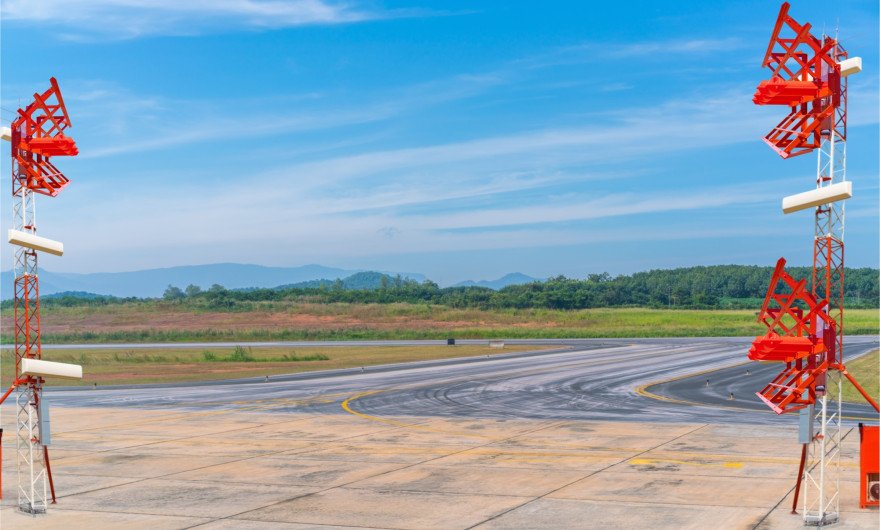
A glide
slope antenna is designed to assist pilots in safe landings at airports. It is
part of the instrument landing system (ILS) and provides vertical guidance to
the aircraft. It acts as a radar antenna and sends radio signals that
tell the pilot whether the plane is too high or too low while approaching the
runway. The signal that the user can send keeps the aircraft in the correct
glide path, usually at a 3-degree angle. Glide slope antennas are mainly
used during bad weather or low visibility conditions. That ensures smooth and
accurate landings.
What is a Glide Path Antenna?
A glide path
antenna is another type of antenna that is used in aviation technology. It
works with the glide slope antenna and helps pilots land safely at airports.
Its primary work is to provide the correct descent path for an aircraft while
approaching the runway. It transmits radio signals that form an invisible path
in the sky. With the support of this glide path antenna, the pilot can
get guidance to maintain the proper angle of approach, usually around 3
degrees. The aircraft’s receiver picks up these signals and shows if the plane
is above or below the safe path.
Difference Between Glide Slope and Glide Path Antenna
Let's talk
about the difference between glide slope and glide path antennas:
Function
Both
antennas help the pilot in wireless communication. But you need to understand
how they work differently. That will give you insights to play their role in
aviation technology. The best glide slope antenna provides vertical guidance.
It helps during landing and indicates whether the aircraft is too high or too
low. Its unique function helps ensure that the aircraft follows the correct
downward angle towards the runway. That is typically about 3 degrees.
On the other hand, the glide path antenna creates an invisible radio path that the aircraft must follow during its descent. It transmits signals that help form an invisible router in the air. A receiver on the aircraft picks up these signals for better air navigation. That helps the pilot stay on the correct glide path for a smooth and accurate landing, even in poor weather.
Overall,
both glide slope glide path
antennas function for landing and proper navigation for aircraft.
However, there is a clear difference in their approaches. The glide slope
antenna ensures the aircraft follows the correct downward angle towards the runway.
While glide path antennas work for creating an invisible radio path that
aircraft must follow for proper and accurate landing
Location and Position
The glide
slope antenna can be installed along the runway. Approximately 300 meters from
the runway threshold and slightly off to one side. This position helps the
antenna send accurate vertical signals upward along the approach path. That guides
aircraft correctly as they come in to land. An antenna manufacturer
can help you get this wireless device for you.
The glide
path antenna defines the actual path or corridor in the air that the aircraft
is to follow. It is mounted to form a vertical guidance beam structure.
Together, these glide slope antennas and glide path antennas ensure that
aircraft land safely at the correct angle. It supports that the pilot gets the
perfect wireless support and avoids any minor to major problems during landing.
Signal Transmission and Reception
The glide
slope antenna transmits radio signals at UHF frequencies (approximately 329-335
MHz). The aircraft's receiver interprets these signals to determine vertical
deviation. It is not used to receive signals. Rather, its primary purpose is to
transmit signals. These signals are received and processed by the aircraft. And
are used to guide the pilot.
The glide
path antenna generates and shapes the signal pattern. And defines the glide
path. Although the two work together. The glide slope focuses on providing
accurate descent data. And the glide path establishes the overall signal
geometry to create invisible landing corridors.
Applications and Importance
The glide
slope antenna is essential for precision landings, especially in commercial and
military aviation. Acting as a radar antenna,
it helps aircraft obtain real-time information for accurate vertical
positioning. The glide slope has a more structural role in ensuring the
stability and continuity of the radio signal patterns that form the glide path.
Without a
glide path, pilots would not have a properly defined descent path. Both are
crucial in modern aviation to enhance landing safety, reduce accidents, and
improve flight reliability in poor visibility conditions. Connecting with an antenna
manufacturer allows you to buy glide slope antennas. That is for your unique
concerns at an affordable price.
Bottom Line
The Glide
slope antenna and glide path antenna are crucial parts of the ILS system. That
ensures aircraft can land safely and precisely. Their support in aviation
technology gives confidence to the pilot in the successful landing of aircraft
on land. Both antennas work together to provide vertical guidance during
approach, especially in poor visibility. They are similar because they transmit
radio signals that define and maintain the ideal descent path. However, the
Glide slope antenna actually creates the vertical signal path. While the Glide
path term refers to the path formed by those signals. Together, they enhance
landing accuracy and reduce pilot error. You can get this antenna from the best
glide slope antenna manufacturer at a cost-effective price.
FAQ
What is the main purpose of glide slope and glide path
antennas?
Both
antennas guide aircraft during landing. They provide vertical navigation
signals. The glide slope antenna creates a 3-degree descent path. While the
glide path antenna helps define and maintain that invisible radio path.
How do Glide Slope and Glide Path antennas work together?
The glide
slope antenna transmits UHF signals that form a radio beam at a specific angle
of descent. This helps shield this signal within an invisible air corridor.
Together, these two help pilots maintain the correct approach angle for
accurate landings at airports.
Where are the Glide Slope and Glide Path antennas installed?
The glide
slope antenna is typically installed next to the runway. It is about 300 meters
from the threshold. On the other hand, the glide path antenna is aligned to
shape the signal field in the sky. The combined position of these two ensures
that the aircraft receives precise vertical guidance during approach and
landing.