Log Periodic Dipole Antenna Types: High Gain vs Military vs Dual Polarized
Today, antennas act as a critical
backbone for us. A long periodic dipole antenna supports wide frequency ranges.
Its unique features ensure stable signals and enable communication between
devices. The use of a log-periodic dipole antenna provides seamless
communication in homes, industries and defense applications. This post explains
the types of log-periodic dipole antennas. We’ll discuss high-gain antennas,
military antennas, and dual-polarized antennas in very simple terms. Here we
go!
Introduction to Log Periodic Dipole Antenna
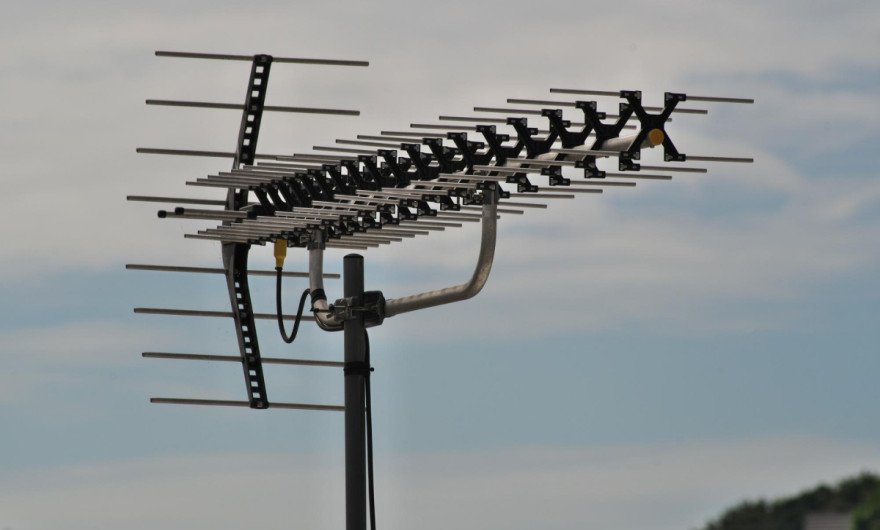
A log periodic dipole antenna (LPDA)
is a directional antenna. That means it sends and receives signals that come
from one direction. This antenna operates over a wide range of frequencies. Its
multiple dipole elements of different lengths make the antenna easy to
recognize. The elements are arranged in a distinctive pattern and provide
consistent performance. Log periodic dipole antenna is widely used in
applications like TV reception, radio communication, and testing systems.
Types of Log Period Dipole Antenna
You can check out these three main
types of Log Period Dipole Antenna:
1.
High Gain Log Period Dipole
Antenna
A high gain log periodic dipole
antenna (LPDA) is designed for wideband performance. It comes with multiple
dipole elements arranged in a crisscross pattern along a boom. That is
something that makes it different from other types of LPDAs. Moreover, its
elements’ lengths gradually decrease from back to front. This gives it a
triangular or arrow-like shape. A High Gain LPDA is a directional antenna
focusing signals in one direction. That means, it is not useful for spreading
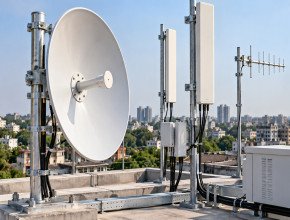
signals in all directions, but work best for high directivity. LPDAs are mainly designed for outdoor use. You
can mount it on towers or rooftops for seamless communication. It helps
capturing weak signals over long distances. That makes it highly reliable.
These antennas are widely used in telecommunications, TV broadcasting, RF
testing, and electronic warfare for surveillance and signal monitoring.
2.
Military Log Period Dipole Antenna
A military Log Periodic Dipole
Antenna (LPDA) is a rugged, high-performance antenna. It is designed for
defense and tactical communication. This antenna comes with multiple dipole
elements arranged along a boom in a tapered and triangular shape. That makes it
much similar to a standard LPDA. It comes with a durable design that is made of
stronger materials. Military Log Period Dipole
Antenna withstands harsh environments like extreme weather,
vibration, and combat conditions. It is a directional antenna and you can use
it to send and receive signals in a specific direction for precise
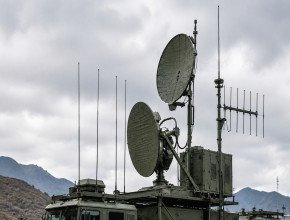
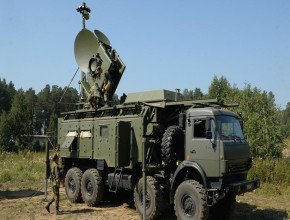
communication. This antenna is used for outdoor deployment in military bases,
vehicles, and field operations.
The key benefits include wide frequency
coverage. It supports high reliability and secure communication support. These
antennas perform well in complex electromagnetic environments with minimal
interference. You can use them in electronic Warfare for signal interception.
They play a crucial role in jamming and surveillance and in Telecommunications
for tactical communication. Military Log Periodic dipole antennas is used in
various technologies and modern systems in many industries. It provides border
security, radar systems, intelligence gathering, and mobile communication units
used by armed forces.
3.
Dual Polarized Log Period Dipole
Antenna
A Dual Polarized Log Periodic Dipole
Antenna (LPDA) is designed to transmit and receive signals in two
polarizations, usually horizontal and vertical polarizations, at the same time.
This antenna holds a slightly more complex and layered appearance compared to a
standard LPDA. Its size depends on the frequency range, but it comes in
generally medium to large sizees. It is a directional antenna that focuses
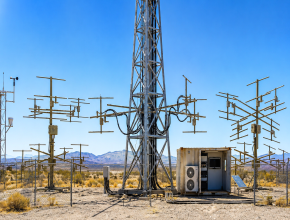
signals in a specific direction. It is mainly used for outdoor installation on
towers.
Today’s dual polarized log period
dipole antenna provides improved signal reliability that reduces
signal loss. It provides better performance in environments with interference
or multipath signals. This antenna is designed to handle different signal
orientations. That makes communication more stable and efficient. These
antennas are widely used in telecommunications, broadcasting, and advanced
wireless systems. They are also important in electronic warfare for accurate
signal detection and monitoring. Today, you can easily find this antenna in
applications. It is used in base stations, RF testing, surveillance systems,
and communication networks. That requires high performance and flexibility.
How to Choose the Right Log Periodic Antenna
You can choose the right log
periodic dipole antenna (LPDA). And this depends on your specific application
and performance needs. First, check the frequency range you require. As the antenna
works with a wide range of frequency ranges, that makes them flexible
and versatile. However, you must watch your system to align with the antenna.
Next, consider the gain and directionality. If you choose higher-gain antennas,
that means it is better for long-distance communication. Also, evaluate the
size and installation location. If you choose the larger antennas, they will
provide better performance but need more space and are mostly used outdoors.
You need to focus on building an antenna whose quality and material are
important, especially for harsh environments. You should also look at
polarization (single or dual) based on your signal requirements. That ensures
compatibility with your equipment and cables. In fields like telecommunications
and electronic warfare, you can choose the right antenna to improve signal
strength and ensure reliable communication.
Bottom Line
Log Periodic antenna is a
state-of-the-art device that helps you get a wireless connection among devices.
It’s different variants are designed to provide specialized support in
different industries. The high gain log periodic dipole
antenna helps cover a wide frequency range and captures weak
signals even over long distances. The Military Long Period Dipole Antenna is
primarily designed for the harsh environmental conditions of the military. It
is designed for defense and tactical communications and performs well
even in complex electromagnetic environments with minimal interference. The
dual-polarized log-periodic dipole antenna makes communication more stable and
efficient. You can get these antennas according to your needs and requirements.
FAQ
What is the main advantage of a log periodic dipole antenna
(LPDA)?
LPDA comes with a wide frequency
range. It can operate efficiently across multiple frequencies without losing
performance. You can use the antenna for Telecommunications and broadcasting.
Where are log periodic dipole antennas commonly used?
LPDAs are used in TV reception,
radio communication, and RF testing systems. They are also widely used in Electronic Warfare antenna
for signal monitoring and surveillance. Their wideband capability makes them
useful in many industries.
What is the difference between high gain, military, and dual
polarized LPDA?
High gain LPDA focuses on strong signal
reception over long distances. Military LPDA is built for durability and
use in harsh environments.