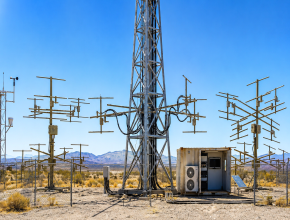
What is a Tactical Antenna? Types, Applications & Benefits
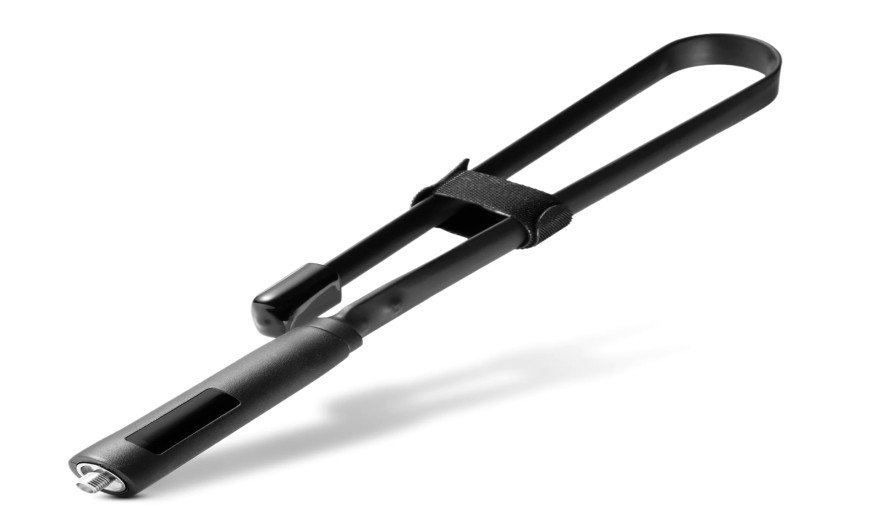
Tactical antennas are used in
military and emergency communication systems. The use of this antenna has
become paramount for soldiers, police, and rescue teams. They use tactical
antennas to send and receive signals in tough environments. These antennas are
used in vehicles, radios, and portable systems. That enables secure,
long-distance, and fast communication. You can explore this easy-to-understand
guide to explore the essence of a tactical antenna, its types, applications,
and benefits.
What is Tactical Antenna
A tactical antenna is a robust
communications antenna device. It is primarily used to enable wireless
communications in harsh, challenging, or hazardous environments. Tactical antennas
provide outstanding support in military and field operations. They typically
work in the range of 30 MHz to 6 GHz frequency range. That makes it one of the
best solutions to cover VHF, UHF and L bands. This antenna can be both high gain
and low gain, and it totally depends on the application where you are going to
use. Tactical antennas are either directional or omnidirectional antennas. That
can usually be used for outdoor use in harsh environments.
Types of Tactical Antenna
Tactical antennas come in many types
that depend on the different missions, frequencies, and performance needs.
These are the types of tactical antennas:
Tactical whip (monopole / dipole)
A tactical whip antenna is a crucial
type of tactical antenna that works in a frequency range typically between
30-512 MHz. It is an omnidirectional antenna, which means it is used for
sharing and receiving wireless signals in all directions.
Tactical whip antennas
are used in outdoor environments. They are portable and ruggedized for shock,
water, and salt fog. With the help of this antenna, you can get simple and wide
coverage for voice and narrow-band data. A military tactical antenna is a
low-profile antenna, which means it sits very close to the surface and avoids
wind resistance. You can use it in applications where all-around coverage is
required.
Yagi-Uda (directional tactical Yagi)
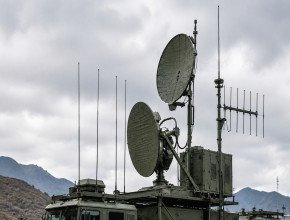
A Yagi antenna is another tactical
antenna that is used for wireless connections. It sends and receives signals in
one particular direction. That makes it a better solution for linear
polarization. This antenna can work in the range of 30 MHz to 1 GHz that
includes VHF and UHF designs. It can seamlessly establish medium-range
point-to-point links. Tactical Yagi antennas are best suited for concentrating
energy to improve SNR, reduce interference, and extend range. This antenna is
best for us for outdoor deployment.
Parabolic dish (satcom / high-gain reflector)
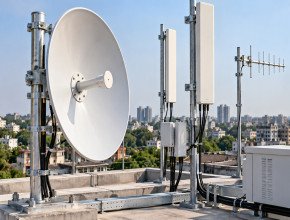
Parabolic dish antennas are highly
directional and selectable polarized antennas. It works with a frequency range
between 1 and 40 GHz (L-, S-, C-, X-, Ku-, and Ka-bands). Parabolic dish antennas
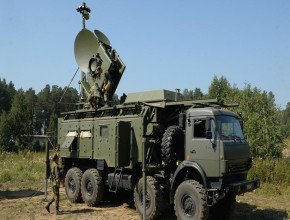
are mainly used in outdoor conditions. It is mounted on vehicles to provide
consistent wireless support even in strong winds and unpredictable weather
patterns. It establishes secure point-to-point links.
One of the best features of this
antenna is that it can handle high-capacity SATCOM technology to handle large
amounts of voice, video, and data over long distances. This antenna is armed to
provide very high EIRP and low interference. That makes a seamless wireless
connection even in adverse situations.
Phased-array/electronically
scanned antenna (AESA / beamforming array)
This is also a type of tactical
antenna that runs in the range of around 200 MHz to 8 GHz. It works across a
wide range of frequencies (around 200 MHz to 8 GHz). This antenna can change
its direction electronically without moving parts. It is designed to focus
signals and avoid interference that comes from other devices.
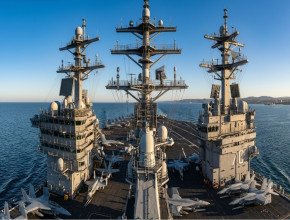
It is used on vehicles, aircraft,
and ships for better navigation and wireless connection. This antenna supports
satellite and line-of-sight communication. That prevents jamming and connects
multiple users at once. It offers fast, flexible communication but is more
expensive and complex and needs more power and cooling.
Application of Tactical Antenna
Tactical antennas are used to keep
systems connected in hard places. It is helpful in soldier-to-soldier and squad
radio links, vehicle and aircraft communications, and satellite access for
voice, video, and data. This antenna is used in applications where you need to
access a reliable connection for your drone control and telemetry.
You can connect seamlessly among
your remote bases with microwave backhaul and support mobile command centers.
Emergency teams use the best tactical antenna for disaster response and temporary
networks. They are used in surveillance and electronic warfare (direction
finding and jamming resistance), maritime and ship-to-shore links, and secure
point-to-point connections.
Benefits of Tactical Antenna
Tactical antennas offer many
benefits in defense and emergency communication. It acts like a surveillance antenna
to provide strong security in military operations. Even if you are in rough or
remote areas where normal networks don’t work, these antennas can be quickly
set up and used on vehicles, aircraft, or portable radios. They support secure
and long-distance communication even in bad weather or combat zones. Their
rugged design makes them work as expected in exposure to shocks, dust, and
water.
Bottom Line
Tactical antennas are used in tough
environments. It helps on battlefields, in rescue missions, and in remote
areas. That ensures clear voice and data signals and helps succeed in the
mission. The best military tactical antenna is built to handle harsh
conditions. They are durable, portable, and versatile. That means you can use
them in defense and emergency communication. Its wide range of types makes them
versatile. And gives flexibility to users to choose the right one for their
specific applications.
FAQ
What is a tactical antenna used for?
A tactical antenna is used for
secure communication in various applications like military, emergency, and
field operations. The advantage of this antenna can be clearly seen in
soldiers, vehicles, and command centers. The device is used for sending and
receiving signals clearly over long distances. These tactical antennas can work
in areas where normal mobile networks don’t reach. That keeps teams connected
during missions or disasters.
Where are tactical antennas installed or used?
Tactical antennas are mainly
installed on vehicles, aircraft, and ships. Tactical antennas work outdoors in
harsh weather or battlefield conditions. And it provides stable connections
across land, air, and sea.
Why are tactical antennas important?
Tactical antennas give reliable and
fast communication in critical missions. They resist dust, water, and shocks.
That ensures clear signals even in rough terrain. Acting as an electronic warfare antenna,
it helps the team coordinate safely and share information instantly. With the
help of their support, you can maintain contact during military, rescue, or
disaster response operations where every second matters.