All You Should Know About the Amplified Antenna
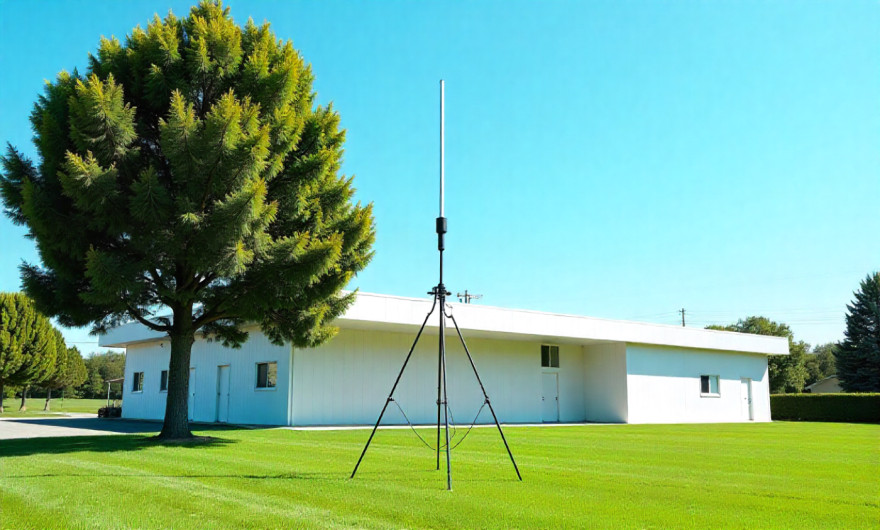
An amplified antenna is one of the top wireless solutions for receiving precise and high-quality TV signals. It is very common to use this device in homes, offices, or other industries to access TV channels. Even this antenna acts as a great radio antenna and gives better sound and better range. This post is about knowing the amplified antenna and its types. Let’s get started!
What is an Amplified Antenna?
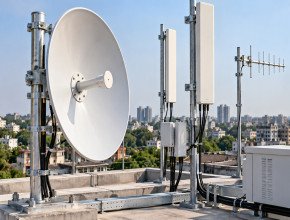
An amplified antenna is a wireless device that features an amplifier to boost weak signals for better performance. It is primarily used for TV radio, and internet connection to get clear signals. This antenna can be either a directional or an omnidirectional antenna, which can be seen in homes or remote areas. With its signal-boosting nature, it has an enormous demand in applications like communication, broadcasting, and defence to amplify the signals where a strong connection is paramount. With the help of an amplifier antenna, you can ensure getting clear pictures, maintain precise communication, and get faster internet connections.
Types of Amplified Antenna?
An amplified antenna is used for both television and radio signals. You can use this antenna with cables like coaxial (75 ohm) or twin lead (300 ohm) to match the connection and give better sound or picture quality. Below, we have described two main types of amplified antenna:
Mast Amplifiers
Mast amplifiers are popular TV antenna devices that are used in homes, offices, and buildings where TV signals are poor to capture. This device is fixed near TV antennas to boost weak signals and ensure seamless wireless connection. It features high gain that allows it to amplify power from 220 volts to 24 or 12 volts. This antenna amplifier boosts signal strength by 30 to 40 dB, and some give up to 50 dB. It comes with a waterproof design that is resistant to water or wet conditions. It is common to use this antenna amplifier to improve TV picture and better sound quality in industries like broadcasting, telecom, and communication.
Indoor Amplifiers
Indoor amplifiers are another type of antenna amplifier device that is used to boost weak TV, radio, or Wi-Fi signals inside buildings. With its amplifying capability, it boosts weak signals by 16 to 24 dB to help devices work better. It can be perfect for both indoor and outdoor antennas, which are cheaper than most. Indoor amplifiers are ideal for enhancing signals in a single room or for a single TV to achieve improved sound and picture quality. It can be easily found in hotels and shops to enhance the quality of signal. It is common in the telecom, broadcasting, and electronics industries.
How to Choose the Right Amplified Antenna?
You can feel confused about choosing the right amplified antenna because of the many similar products available in the market. Even having a lack of technical knowledge can be a reason for selecting the wrong solutions. Here are the tips to explain how to choose the right amplified antenna. Let’s get started!
Types
As we’ve talked about, there are two main types of antenna amplifiers, which is why it’s important to consider your specific needs before choosing one of them. There are two types of antenna amplifiers: indoor antennas and mast amplifiers. It is advisable to install the amplifier as close to the antenna as possible. You need to avoid keeping any electrical equipment or obstructions like walls between the power supply and the preamplifier to prevent signal degradation. However, you can use any type of amplifier to improve TV reception efficiently.
Gain
Gain is an important property of an antenna that provides information about how much a device increases the signal strength. A more directional antenna has higher gain, the better it interacts with signals. That helps users to share and receive signals coming from a long distance without compromising the signals. Amplified antennas provide strong, focused signals over long distances. Mast antennas typically provide a gain between 30 and 40 dB, which makes them suitable for terrestrial television and providing better wireless connectivity. While talking about indoor antennas, they can also be better used in applications like satellite and direct broadcast television.
Frequency
Frequency matters a lot when you are going to choose a wifi antenna for yourself. Every antenna amplifier works within a specific frequency range. And you need to ensure that your wireless solution provides the frequency that meets your purpose. For example, a TV antenna is designed to receive broadcast television signals over the air. Their frequencies range from approximately 47 to 250 MHz and 470 to 960 MHz in various countries. Choosing the right frequencies allows you to operate at the required frequency for optimal performance. The wrong frequency can cause weak signals, poor connection, and wasted money on the wrong antenna. You can choose a UHF antenna, a VHF antenna, or a directional antenna as per your specific concerns.
Power of Quality Ratio
The power of the quality ratio matters in an antenna that decides how well it uses power to give a clear signal. A good TV antenna gives a better signal quality using less power. If you choose a poor indoor and outdoor antenna that features a high power-to-quality ratio. That is a significant sign to get better signal coverage in weak or unclear signal areas. An amplifier contributes to increasing the power of the signal but does not improve its quality. A well-picked VHF antenna provides the right frequencies and helps you solve some signal problems.
Bottom Line
Today, an amplified antenna is a much better solution for TV and radio than other alternative solutions. They are the ideal choice for areas where there is a weak signal. Maybe it can be a rural or underprivileged solution where a powerful signal is important. In such areas, using an amplified antenna is one of the best solutions that you can use to maintain a stable connection, as they have amplifiers to amplify the weak signals. Today, antenna manufacturers are the ones who create reliable solutions where you can get high-performing antennas for your solution. Individuals and industries get reliable amplified antennas from them and ensure better communication.