What Defence Buyers Should Check Before Choosing a Military Antenna
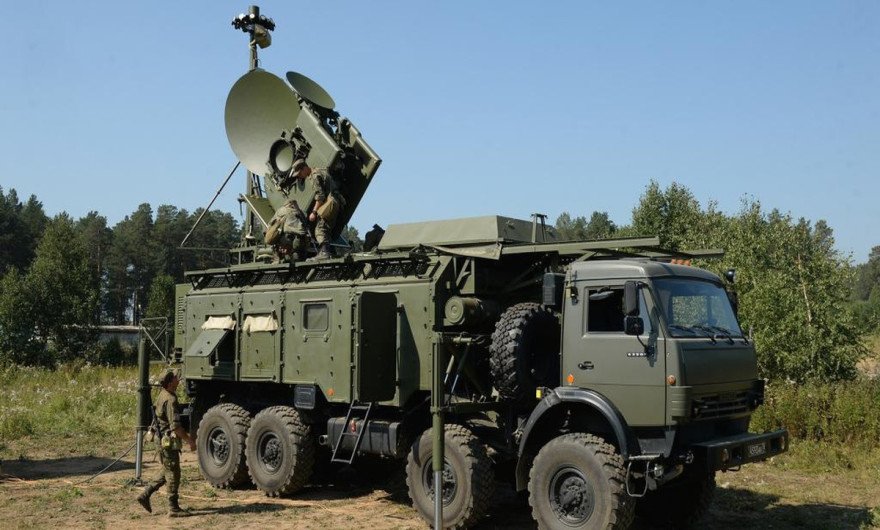
A military antenna has to work the first time, every time, often in conditions no commercial antenna is built for. Before you sign off on a purchase order, check three things: the frequency range matches your platform, the build survives shock, vibration and temperature extremes in the field, and the manufacturer can prove both with real documentation, not just a marketing sheet.
Certifications And Standards To Look For (NATO NCAGE, ISO, MIL-STD)
While purchasing, you must check the certifications. Only then you should move to examining other technical specifications of the device. A genuine military antenna supplier will hold documentation that proves their products meet defense-grade requirements, not just commercial ones.
Quality, Environmental And Safety Certifications Explained
Some certifications are more important than others when it comes to defense products:
- NATO NCAGE code: This confirms that the manufacturer is registered and accredited within NATO's supply chain system.
- ISO 9001: This shows that the company follows a uniform quality management process during production.
- MIL-STD compliance: This confirms that the product has been tested to military standards for shock, vibration, temperature, and electromagnetic interference.
A mild STD antenna manufacturer that displays these certifications upfront can save you a lot of time and effort. And it is important to present this documentation during the approval stage of a tender. If a supplier hesitates or is unable to produce this documentation quickly, it indicates potential issues with their operations. That alone tells you something about how they operate. In India, there are many antenna supplier companies that provide a leading range of military antennas. However, checking the standards that we mentioned above helps you to purchase antennas that come with proper quality and legal support.
How To Judge Engineering And Custom-Design Capability
Not every defense application can use an off-the-shelf antenna. Many projects need something built around a specific platform frequency band or space constraint. This situation is where engineering depth separates a real military antenna manufacturer in India from a company that is simply reselling generic parts under their own label. To choose a reliable antenna for your applications, you must know some of its features. Below, we have mentioned some of the key features of military antennas:
Frequency Range, Gain And VSWR: Reading A Datasheet Correctly
When you get a datasheet from a supplier three numbers tell you most of what you need to know.
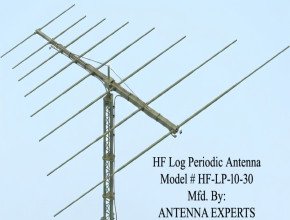
- Frequency range: Military forces use HF for long-range communication, VHF (30-300 MHz) for ground forces, and UHF (300 MHz-3 GHz) for tactical, satellite, and airborne communications. For HF operations, Antenna Experts' HF Broadband Military Antennas are built for exactly this kind of long-range field use.
- Gain: Gain is another property of an antenna. It indicates how effectively the antenna focuses the signal in a specific direction. Avoid buying based on how it spreads. Basically, in military applications, directional antennas perform the best and provide long-term communication. A higher gain antenna usually provides 6-12 dBi. That means it has stronger signal strength and longer communication range but with narrower coverage. Lower gain antennas offer wider coverage. That makes them suitable for mobile and tactical defense applications where communication is needed.
- VSWR (Voltage Standing Wave Ratio): This property of the antenna transmits power without reflecting it back. It directly affects signal transmission efficiency at the installation site. A lower VSWR value indicates better power transfer and less signal loss. For most military communication systems, a VSWR of 1.5:1 or lower is considered excellent. While 2:1 or below is generally acceptable. A low VSWR helps improve communication range, signal quality, and system reliability. Especially during critical defense operations in challenging environments.
A supplier who can explain these numbers clearly and relate them to your specific use case is usually one with real engineering capability. The vague answers are the red flags.
Custom design capability also matters when your project does not fit a standard product line. A strong RF antenna manufacturer keeps in-house engineers who can adjust gain patterns, frequency coverage, or mounting design based on your platform, rather than asking you to adapt your system to their existing catalog. Antenna Experts follows this same approach with its high-gain log-periodic antennas, built specifically for defence platforms that need this kind of custom engineering.
Why Antenna Experts Is Trusted By Defence And Aviation Buyers
Antenna Experts is an accredited antenna manufacturer and supplier in India. We have built a reputation among defence and aviation buyers by focusing on exactly the areas covered above. As a trusted military antenna manufacturer and military antenna supplier, the company holds the certifications procurement teams look for and backs every product with proper testing documentation.
Its engineering team works directly with clients to design antennas for specific platforms and frequency requirements. With export experience across multiple countries, Antenna Experts also handles documentation and packaging in a way that keeps international orders moving without unnecessary delays. For teams that need a military antenna exporter who understands the full weight of defense-grade compliance, Antenna Experts brings both the paperwork and the engineering depth to back it up.
Frequently Asked Questions
What certifications should a military antenna manufacturer hold?
Look for NATO NCAGE registration ISO 9001 certification and documented MIL-STD compliance. These three together show the manufacturer meets both quality management and defence grade testing requirements.
How do I verify an antenna's real-world performance vs its datasheet?
Ask for independent test reports and if possible request a sample for field testing under conditions similar to your actual deployment. Datasheet numbers should match what you see in practice, not just lab ideal conditions.
Can a manufacturer custom-design an antenna for a specific band?
Yes, a manufacturer with in-house engineering capability can adjust frequency coverage gain and mounting design to fit your specific platform. Ask for examples of past custom projects to confirm this capability is real.
How are military antennas packaged and exported safely?
Reliable suppliers use rugged, shock-resistant packaging designed for sensitive equipment and provide complete export documentation upfront. This reduces the risk of damage in transit and avoids delays during customs clearance.