Everything You Need to Know about Naval Shipboard Antenna

The lack of communication between ships at sea is not only a technical issue but can also impact the capability of naval ships to coordinate and conduct surveillance functions. Therefore, choosing the right Ship Antenna Manufacturer or Naval Shipboard Antenna Supplier in India is not only about reviewing the specifications of each manufacturer's products but also about a more detailed assessment. Defense procurement teams, naval system integrators, and fleet operators need a sourcing partner who understands the operational demands of maritime environments and delivers antennas built to survive them.
This guide provides you with information about naval shipboard antennas, their main features, applications, and more. You will also get to know about the key factors to consider when choosing a Naval Shipboard antenna supplier in India.
What Is a Naval Shipboard Antenna?
A Naval Shipboard Antenna is a defense-grade antenna built specifically for use on naval ships, merchant vessels, coast guard ships, and icebreaker platforms. Unlike commercial antennas, these systems handle salt fog, extreme vibrations, UV degradation, and powerful electromagnetic interference simultaneously.
They operate across HF, VHF, UHF, and satellite frequency bands and support ship-to-ship communication, ground-to-air signaling, radar operations, and defense intelligence systems. Any failure in these systems creates direct operational risk.
Where are Naval Shipboard Antennas used?
Understanding the application context matters when evaluating any defense antenna supplier in India. The use of Naval Shipboard Antennas is wide-ranging in terms of the type of platform they serve, which includes:
- Frigate-class and destroyer-class ships.
- An aircraft carrier.
- Patrol vessels and Coast Guard ships.
- Offshore surveillance platforms.
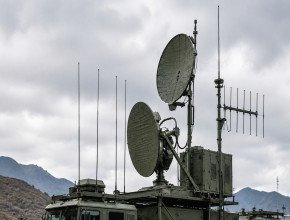
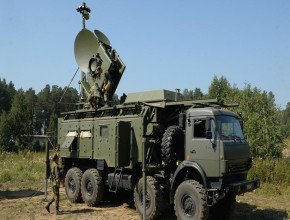
- Land-based electronic warfare platforms.
- Naval communication and command systems.
Each platform has different mounting constraints and environmental exposure levels. Therefore, a capable engineering team will create antennas that meet these specific deployment conditions.
Key Factors to Consider When Choosing a Naval Shipboard Antenna Supplier in India
Below are the important key factors to be considered while choosing a Naval Shipboard Antenna Supplier in India:
MIL-STD Compliance and Why It Matters
Military standard compliance is non-negotiable. MIL-STD-810 covers physical and environmental tests, including shock and salt exposure. MIL-STD-461 covers electromagnetic compatibility requirements for naval systems. Antennas installed on board ships have to comply with MIL-DTL-901E Class A Grade 1 shock test and MIL-STD-167-1 Class 1 vibration test specifications.
Procurement staff should make sure that the export vendor offers all necessary compliance certificates prior to making an offer. A reputable Naval Shipboard Antenna distributor will provide them without any delay.
ISO and NATO Certifications to Look For
Certified standards on an international level indicate that a manufacturer is following proper standards of quality and safety management. A good antenna supplier needs to have these certifications and qualifications:
- ISO 9001:2015 Quality Management.
- ISO 45001 Occupational Health & Safety.
- ISO 14001:2015 Environmental Management.
- Holds NATO NCAGE Code.
These certifications ensure that accountability is maintained throughout the whole production cycle. It is better to demand copies of those certificates from a Naval Shipboard Antenna distributor in India.
Frequency Band Coverage Across Naval Applications
The frequency range plays a crucial role; however, it is even more important to realize which frequency bands your operation needs and if the vendor provides all of them. Here are the frequencies covered by a full-range naval antenna export vendor:
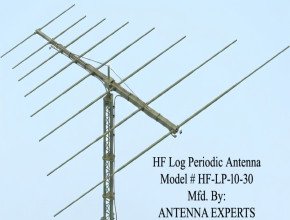
- HF (High Frequency): The HF bands are used for distant communication through the huge ocean distance.
- VHF (Very High Frequency): VHF bands for voice communication.
- UHF (Ultra High Frequency): The UHF bands for secure communications.
- SATCOM Communication: SATCOM for beyond line-of-sight communications on the remote parts of the ocean.
The following frequency ranges are available based on your requirements:
- 117-137MHz for aviation coordination purposes.
- 225-400 MHz for the military aircraft band communications.
- VHF/UHF broadband frequencies are required for all naval purposes.
By purchasing all the needed frequencies from one vendor, you simplify the vendor management process.
Build Quality Standards for Marine Environments
This is where many suppliers fall short. Salt fog, UV radiation, extreme temperatures, and constant mechanical vibration degrade low-grade materials within months of deployment. Antennas built with inferior materials fail at the feedpoint, degrade at cable entry points, and lose structural integrity at mounting joints.
A quality Ship Antenna Manufacturer uses MIL-grade 6063T6 ultra corrosion-resistant anodized aluminum alloy with a powder coating finish. Fully welded construction removes potential weak points that conventional bolt-together assemblies develop over time. Fiberglass radomes protect radiating elements, and enclosed feed cables inside mounting pipes eliminate direct weather exposure.
It is worth asking any potential Ship Antenna exporter for material specifications and environmental test results before approving equipment.
Testing and Validation Before Delivery
This step is often skipped during procurement and causes problems later. A reliable manufacturer of ship antennas will conduct thorough tests before shipping their products. Defense purchasers should ask for test reports regarding the following:
- VSWR tests in the operational frequency range.
- Radiation pattern measurements confirming gain performance.
- Power handling tests at rated input levels.
- Salt fog testing per MIL-STD environmental requirements.
- Shock testing to MIL-S-901C Grade A Class 1 standards.
- Vibration testing to MIL-STD-167-1 Type 1 requirements.
The Role of Antenna Experts in Modern Defense
Antenna Experts is a trusted antenna manufacturer and a well-known naval shipboard antenna distributor in India. With our ISO 9001:2015 certified manufacturing, we supply high-performance wireless solutions in different parts of India, the USA, and Canada for defense, public safety, telecom, and government applications. Our clients get our help in operating a safe and efficient communication system in military communication, radar systems, satellite communication, navigation, surveillance, electronic warfare, and more.
Bottom Line
Choosing a naval shipboard antenna exporter or supplier involves more than comparing prices. Military compatibility, marine construction capabilities, technical assistance, testing, and export track record all go a long way in ensuring reliability over time. Spending time researching these factors can prevent communication issues and lower operating costs for the duration of the vessel's service life. For defense-grade Naval Shipboard Antennas that meet MIL-STD and ISO quality standards, contact Antenna Experts at antennaexperts.co.
Frequently Asked Questions
Q1. How does a Naval Ship Antenna differ from the common commercial maritime antenna?
A Naval Ship Antenna is manufactured in accordance with military specifications concerning shock, vibration, salt, and electromagnetic interference. On the contrary, commercial maritime antennas have no certifications meeting the MIL-STD specification that naval operations require.
Q2. What certifications must a Supplier of Naval Shipboard Antenna hold?
The reliable supplier must be a holder of the certificates ISO 9001:2015, ISO 45001, ISO 14001:2015, and NATO NCAGE Code. These prove their ability in quality management, safety, environmental friendliness, and defense supply chain.
Q3. Is it possible for a Ship Antenna Manufacturer to manufacture customized antennas?
Yes, it is. The Ship Antenna Manufacturer, possessing its own RF Engineering facility, manufactures antennas according to particular parameters such as frequency range, gain level, mounting type, and power level.