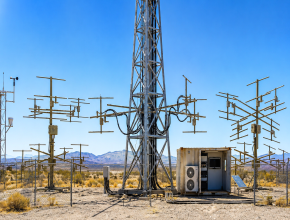
HF Broadband Military Antenna for Long Range Communication
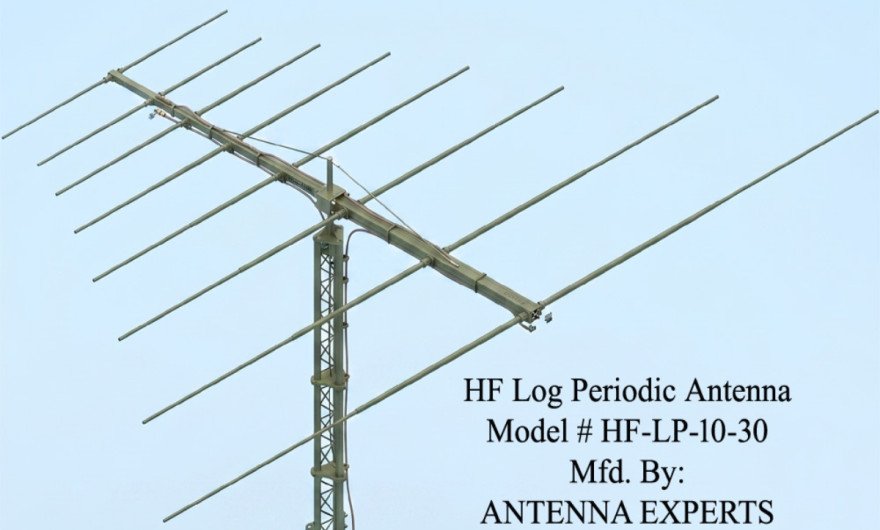
HF communication continues to play an important role in defence networks. While satellite links, digital radios, and modern communication systems are widely used, HF communication remains effective when long-distance communication is required in challenging environments. In field operations, communication cannot always rely on line-of-sight connections or extensive infrastructure.
This is where an HF Broadband Military Antenna becomes valuable. It provides reliable long-range communication, allowing military personnel to stay connected across different terrains and operational conditions. Whether deployed on vehicles, ships, or fixed installations, these antennas support dependable communication when it matters most.
Types of HF Broadband Military Antennas
Different military operations require different antenna configurations. Some of the most commonly used HF broadband military antennas include:
1. Vehicle Mounted HF Broadband Antenna
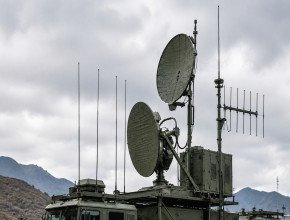
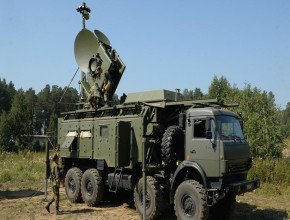
Vehicle-mounted HF antennas are designed for tactical communication systems installed on military vehicles. These antennas provide reliable communication while vehicles are moving through various terrains. They are built to withstand vibration, dust, moisture, and harsh environmental conditions.
2. Naval HF Broadband Antenna
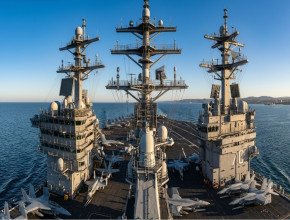
Naval HF broadband antennas are used on ships and patrol vessels for beyond-line-of-sight communication. These antennas are designed to operate effectively in marine environments where salt exposure, wind, and continuous motion can affect performance.
3. Fixed Station HF Broadband Antenna
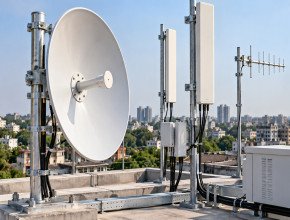
Fixed station HF Broadband HF Broadband Military Antenna are installed at command centres, communication bases, and monitoring stations. They provide stable long-range communication and are often used as primary or backup communication systems during critical operations.
Importance of HF Broadband Military Antennas
A broadband HF antenna is designed to operate across a wide frequency range, providing greater flexibility than narrowband antennas. Military communication systems often need to switch frequencies based on mission requirements, operating conditions, and communication range.
These antennas help improve communication by offering:
- Wide frequency coverage
- Long-range communication capability
- Better operational flexibility
- Reliable performance in difficult environments
- Compatibility with various military communication platforms
A military HF antenna must also withstand demanding operating conditions, including extreme temperatures, vibration, humidity, dust, and continuous use.
Applications of HF Broadband Military Antennas
HF broadband military antennas are used in a variety of defence communication systems.
Tactical Vehicles
Military vehicles use HF antennas to maintain communication during convoy operations, command coordination, and field missions.
Naval Communication Systems
Ships and patrol vessels use HF antennas for over-the-horizon communication when satellite or other communication systems are unavailable or limited.
Command Posts and Military Bases
Command centres and military installations use HF communication systems to support operational coordination and maintain communication across long distances.
Emergency and Backup Communication
HF systems often serve as backup communication channels during emergencies when primary communication networks become unavailable.
How to Choose the Right HF Broadband Military Antenna
Selecting the right HF broadband military antenna requires careful consideration of both electrical and mechanical performance.
Some important factors include:
- Frequency coverage requirements
- Bandwidth performance
- Power handling capability
- Impedance matching
- Installation platform
- Environmental durability
- Mounting and grounding requirements
It is also important to ensure that the antenna performs reliably under real operating conditions rather than only in laboratory environments. Proper installation, grounding, cable management, and mounting configuration all contribute to overall system performance.
Bottom Line
HF communication remains a practical and dependable solution for long-range military communication. A well-designed HF Broadband Military Antenna provides reliable connectivity across a wide frequency range while supporting operations in challenging environments.
Whether deployed on tactical vehicles, naval platforms, or fixed communication stations, the right antenna helps ensure stable communication, operational flexibility, and dependable performance. For defence organisations, communication reliability is not simply a technical requirement—it is an essential part of mission success.
FAQ
What is an HF Broadband Military Antenna?
An HF Broadband Military Antenna is designed to operate across a wide HF frequency range, allowing military communication systems to maintain reliable communication without frequently changing antenna hardware.
Why is HF communication still used in military operations?
HF communication supports long-range communication and can operate effectively in situations where line-of-sight communication systems or other communication networks are unavailable.
How does an HF Broadband Antenna support field communication?
HF broadband antennas provide greater frequency flexibility, long-distance coverage, and reliable communication performance across changing operational environments.
Does installation affect HF antenna performance?
Yes. Factors such as grounding, cable routing, mounting location, nearby structures, and installation quality can significantly affect the performance of an HF communication system.