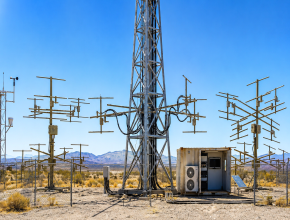
TETRA Antenna for Reliable Critical Communication
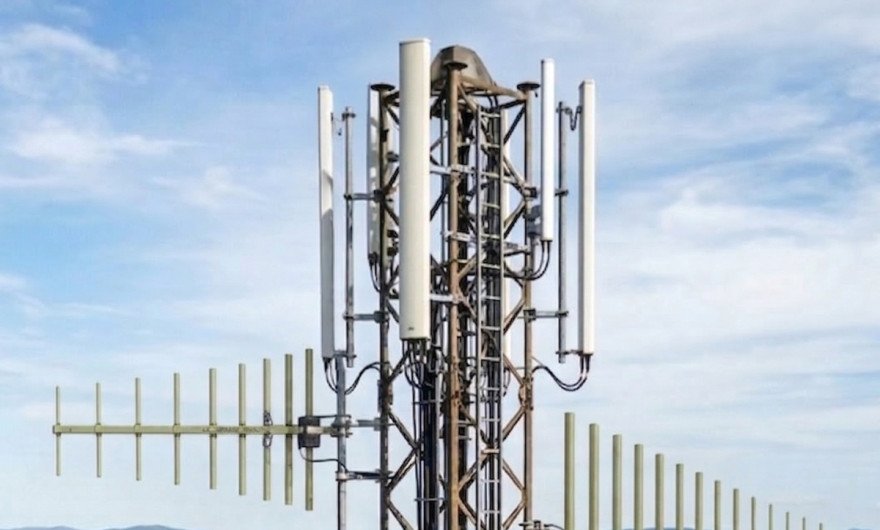
In many situations, communication cannot fail. Even a small delay or signal drop during an emergency response, public safety operation, transportation service, or defence mission can create serious problems. That is where TETRA systems become essential. However, the performance of these systems depends heavily on one key component: the TETRA antenna.
A good antenna helps maintain stable communication in challenging environments. Without a reliable antenna, signal quality can decrease, leading to communication failures when it matters most.
Types of TETRA Antennas
You can choose from different types of TETRA antennas depending on your communication requirements.
1. High Gain TETRA Antenna
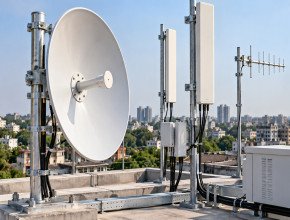
A High Gain TETRA Antenna is designed to provide stronger signal coverage over long distances. These antennas are commonly used in fixed communication networks, public safety systems, and industrial communication infrastructure. They help improve signal strength, reduce communication dead zones, and ensure reliable network performance.
2. Omni Directional TETRA Antenna
An Omni Directional TETRA Antenna transmits and receives signals in all directions. It is suitable for applications where wide-area communication coverage is required. These antennas are widely used in transportation systems, public safety networks, and industrial facilities where users operate across different locations.
3. Vehicle Mounted TETRA Antenna
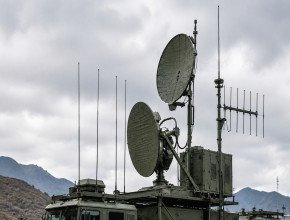
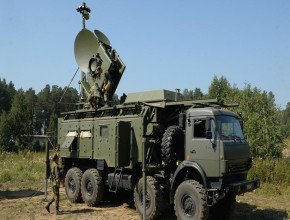
Vehicle Mounted TETRA Antennas are specifically designed for mobile communication applications. They are commonly installed on police vehicles, ambulances, fire trucks, military vehicles, and transport fleets. These antennas provide stable communication while operating in motion and under harsh environmental conditions.
Importance of TETRA Antennas in Critical Communications
TETRA (Terrestrial Trunked Radio) is used in systems that require secure and dependable communication. It is widely used by emergency services, police departments, transportation networks, defence organisations, and public safety agencies.
Unlike traditional communication systems, TETRA is designed for mission-critical operations. Most TETRA networks operate in the UHF frequency range, allowing signals to penetrate buildings, urban environments, and other challenging locations more effectively.
In critical communication systems, the antenna acts as the connection point between communication devices and the network. A poor-quality antenna can lead to signal loss, interference, and communication breakdowns.
A reliable TETRA antenna helps overcome several challenges, including:
Signal interference
Physical obstructions such as buildings and terrain
Harsh weather conditions
Continuous long-term operation
This is why high-performance TETRA antennas are essential for maintaining stable communication in demanding environments.
Applications of TETRA Antennas
TETRA antennas are used in various industries where uninterrupted communication is required.
Emergency response services
Police and law enforcement agencies
Fire and rescue departments
Public safety communication networks
Railway and transportation systems
Industrial communication networks
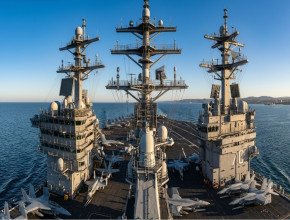
Defence and military operations
These antennas help organisations maintain secure and reliable communication during critical operations.
How to Choose the Right TETRA Antenna
Selecting the right TETRA antenna depends on several important factors.
First, make sure the antenna matches the operating frequency of your communication system. You should also consider the required coverage area, installation environment, and antenna type.
When choosing a TETRA antenna, consider:
Operating frequency
Coverage requirements
Installation type (fixed, mobile, or portable)
Environmental conditions
Gain and performance requirements
Durability and reliability
For example, vehicle-mounted antennas must withstand vibration and movement, while fixed installations require consistent coverage over a specific area. Choosing a trusted TETRA antenna manufacturer can help ensure long-term performance and reliability.
Bottom Line
TETRA antennas play a critical role in maintaining secure, reliable, and uninterrupted communication. Whether used in public safety, transportation, industrial operations, or defence applications, the right antenna helps improve coverage, reduce signal loss, and ensure dependable performance.
As communication networks continue to evolve, reliable TETRA antennas will remain essential for supporting mission-critical operations and maintaining effective communication in challenging environments.
FAQ
What is the use of a TETRA antenna?
A TETRA antenna is used to transmit and receive signals within TETRA communication systems. It helps ensure secure, stable, and efficient communication between devices and networks.
Where is the TETRA communication antenna mostly used?
TETRA communication antennas are commonly used in police departments, emergency services, transportation networks, public safety organisations, industrial facilities, and defence applications.
What is the use of a UHF TETRA antenna?
A UHF TETRA antenna provides strong signal coverage and excellent signal penetration in urban areas, buildings, tunnels, and industrial environments. It helps improve communication reliability and reduce signal loss.